


News
The all-round waterproof way, an extraordinary waterproof experienceThe difference between flexible waterproofing and rigid waterproofing
Flexible waterproof:
The main feature of flexible waterproof materials is that they are mainly coils and paints. Currently, the best choice is acrylic waterproof coating, followed by waterproof coils, while paper-tied linoleum felt has been gradually eliminated and should not be used again.
Waterproof coating:
Waterproof coating is the main form of outdoor waterproofing at present. Elastic acrylic copolymer cement-based modified waterproof coating has strong permeability and sufficient bonding, which can form an integral seamless system and can form various shapes according to the surface conditions. It can be constructed on a wet base surface and can perfectly solve the waterproofing problems of the entire roof including fence edges, protruding roof pipes, roofs, etc. He is an expert in structural concrete and lightweight concrete roofs and basements.
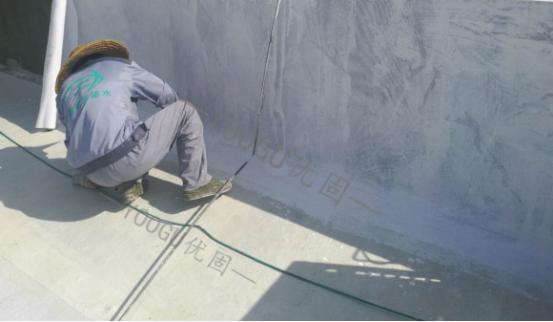

General practices for waterproofing
The construction process is mainly three coatings, one cloth and one base:
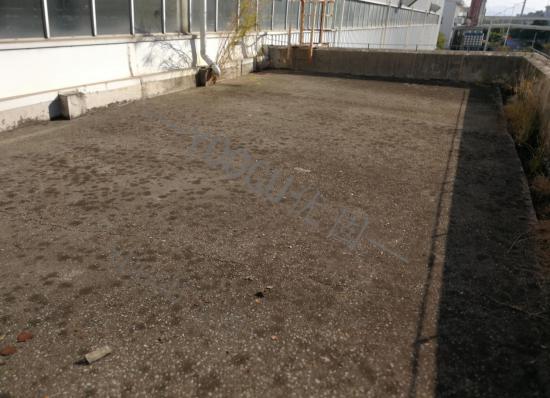
First, clean the waterproof construction parts and reinforce the loose construction surface.
Then apply base layer treatment agent on the roof as a whole to repair small cracks on the roof and fill the gaps in the roof particles, connecting the upper and lower parts, making it easier to construct the three-coat and one-painted waterproof layer.
When the interface treatment agent is dry, then do three-coating and one-fabric waterproofing construction on the roof as a whole:
Paint concrete high elastic flexible acrylic waterproof coating (first coating) on the roof.
When the paint has not dried, lay high-strength seam polyester cloth (first cloth) on the roof and use brushes to flatten to ensure that the tiling is neat.
Then apply acrylic waterproof coating (second coating) on the sewn polyester cloth.
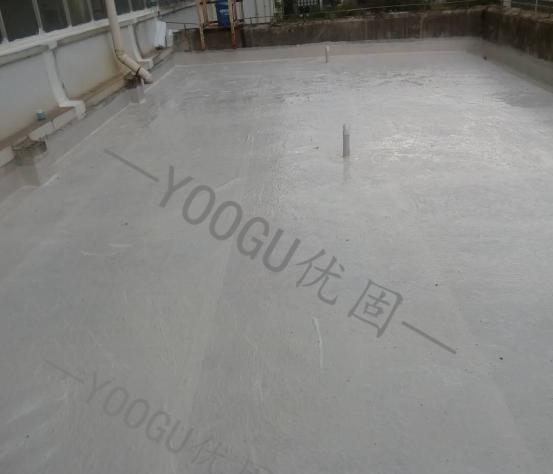
After the two coatings and one cloth waterproof layer is dry, choose to make a wear-resistant layer or heat-insulating layer on the roof according to the roof usage, and the waterproof system is all completed.
Rigid waterproof
Rigid waterproofing materials refer to methods such as cement and sand and gravel as raw materials, or the addition of a small amount of external additives, polymers and other materials, and by adjusting the mix ratio, filling large cracks at the construction site, and increasing the compactness between the interfaces of each raw material, after forming the waterproof layer, it has high compressive and permeability resistance. Rigid waterproof materials can be divided into two categories according to their material composition. One is waterproof mortar and waterproof concrete prepared by silicate cement as the base material and adding inorganic or organic admixtures, such as air-conditioned concrete, polymer mortar, etc.; the other is waterproof mortar and waterproof concrete prepared by special cement mainly based on expanded cement, such as expanded cement waterproof concrete, etc.
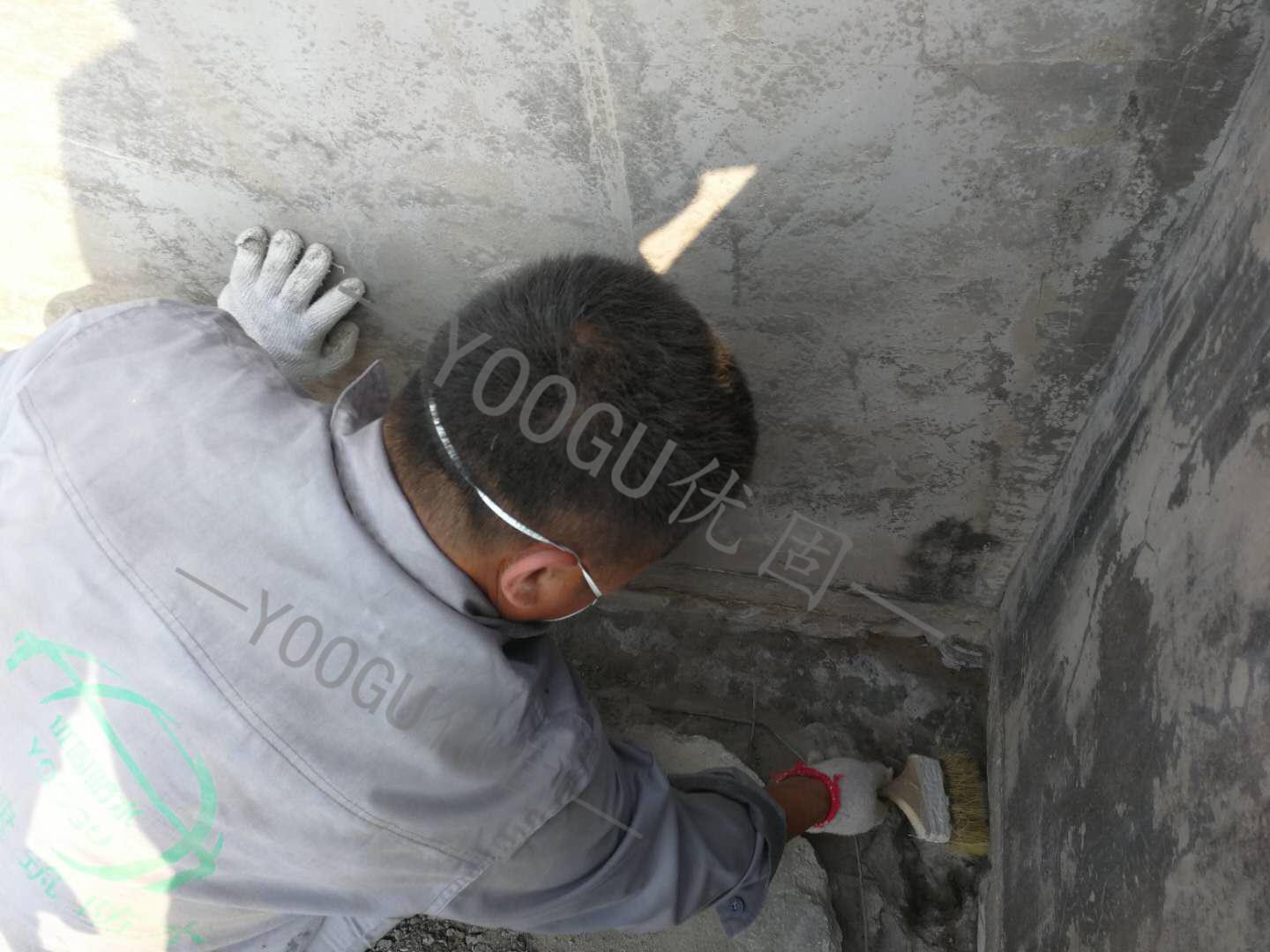

Rigid waterproof materials have the following characteristics:
The waterproof layer can be directly pasted with exterior wall finishes such as strip bricks and paper bricks.
Strong adhesion to concrete, masonry and other substrates.
Construction directly on wet base surfaces.
It does not peel or fall off, and can be used to waterproof the water surface.
The volume is stable, prevents cracking, and the coating has strong permeability.
Tel: 0755-89212007
Fax: 0755-89212007
EMail: shili.yuan@yougufangshui.com
Address: Qichuang Low-carbon Park, No. 1034, Longgang Avenue (Ping Lot), Longgang District, Shenzhen